15
July, 2025
WORK REPORT FOR THE FIRST HALF OF 2025
July 15, 2025
Work Report for the First Half of 2025
1. Actively Exploring New Enterprise Development Models and Achieving
Success
In the first half of 2025, we made significant progress in exploring
innovative enterprise development models. Through extensive research, analysis,
and collaboration across departments, we successfully implemented strategies
that have driven sustainable growth, improved operational efficiency, and
enhanced competitiveness in our industry. These new models focus on:
- Digital Transformation: Leveraging advanced technologies such as AI,
big data, and cloud computing to optimize workflows and decision-making
processes.
- Sustainability Initiatives: Incorporating environmentally friendly
practices into operations, reducing carbon footprints, and promoting social
responsibility.
- Customer-Centric Solutions: Redefining service and product offerings
to better meet evolving customer demands, ensuring both satisfaction and
loyalty.
The successful adoption of these models has positioned our company as a
leader in innovation, setting a benchmark for others in the industry.
2. Establishing a Comprehensive and Robust Management System
A key milestone achieved in the first half of the year was the
establishment of a comprehensive and robust management system. This system has
been designed to:
- Streamline Operations: Centralizing and standardizing processes
across all departments and subsidiaries.
- Enhance Transparency: Implementing clear reporting lines and
accountability measures to improve oversight and decision-making.
- Promote Scalability: Enabling the system to support future expansion
and diversification efforts effectively.
This management framework has been successfully implemented across all
subsidiaries, ensuring consistency, efficiency, and alignment with our
corporate vision and objectives. Feedback from stakeholders indicates a
significant improvement in operational cohesion and performance metrics.
3. Sale of Subsidiary Companies
As part of our strategic restructuring plan, we successfully completed
the sale of certain subsidiary companies during this period. This decision was
driven by:
- Portfolio Optimization: Focusing resources on core business areas with
higher growth potential and profitability.
- Financial Health: Improving liquidity and reducing operational risks
by divesting non-core assets.
- Future Investments: Allocating proceeds from the sales to fund
innovation projects and strategic acquisitions.
The sale process was conducted transparently and efficiently, ensuring
fair valuation and seamless transitions. This move has strengthened our
financial position and sharpened our focus on long-term growth objectives.
Conclusion
The first half of 2025 has been a transformative period for our company.
Through innovation, strategic restructuring, and robust management practices,
we have laid a solid foundation for sustainable growth. Moving forward, we will
continue to build on these successes to drive further achievements in the
second half of the year and beyond.
17
February, 2025
BUSINESS ANNOUNCEMENT
IMPORTANT BUSINESS ANNOUNCEMENT FROM THE
GROUP COMPANY
We are pleased to announce a significant development in our business operations. Thanks to the relentless efforts of our colleagues within the Group, we have successfully signed a substantial procurement order with a certain enterprise.
In 2025, our Group Company entered into a procurement agreement valued at approximately 478 million RMB, with a delivery period of 15 months. This achievement underscores our commitment to expanding our business partnerships and enhancing our operational capabilities.
Please note that due to confidentiality agreements, we are unable to disclose further details regarding this transaction. We appreciate your understanding and continued support as we move forward with this exciting opportunity.
Thank you.
SDACOMM GROUP LLC
For any inquiries, please contact our corporate communications team.
06
January, 2025
Board Resolution
In accordance with the relevant provisions of the 《Company Law》 and the Articles of Association of this company, the Board of Directors of Sdacomm Group LLC made the following resolutions on January 6, 2025:
1. Appoint Mr. Lü Zhidong as the General Manager of the company.
2. Based on the General Manager's nomination, appoint Ms. Fan Chunyan as the Chief Financial Officer of the company.
Board of Directors of SDACOMM GROUP LLC
06
January, 2025
Shareholders’ Resolution
In accordance with the relevant provisions of the 《Company Law》 and the Articles of Association of this company, the shareholders of the company have made the following resolutions on January 6, 2025:
1. Dissolve the original organizational structure.
2. Appoint Mr. Lü Zhidong as the director of the current board of the company to execute company affairs and serve as the legal representative.
3. No supervisory board or supervisor will be established.
4. Due to changes in the company’s organizational structure, it is agreed to draft and adopt new Articles of Association.
Shareholders’ Meeting of SDACOMM GROUP LLC
12
December, 2024
GLOBAL CORN MARKET OUTLOOK: 2024 ANALYSIS AND 2025 PROJECTIONS
December 12, 2024
2024: A Year of Volatility in the Global
Corn Market.
In 2024, the global corn market experienced
significant fluctuations driven by climatic challenges, geopolitical tensions,
and shifting trade policies. The total global corn production for 2024 is
estimated at 1.2 billion metric tons, slightly lower than 2023’s record-high production of 1.21 billion metric tons. The marginal
decline in production is attributed to adverse weather conditions in key
producing regions like the United States, Brazil, and Ukraine.
On the demand side, global corn consumption
reached approximately 1.19 billion metric tons, reflecting a 1.8%
year-over-year increase. This uptick was primarily driven by rising feed demand
in Asia, particularly from China, where the livestock and poultry industries
grew steadily. Additionally, the bioethanol sector in North America saw a modest
recovery, further bolstering demand for corn as a feedstock.
Despite the increase in consumption, global
corn ending stocks for 2024 are projected to decline to 280 million metric tons,
down from 295 million metric tons in 2023. This marks a stock-to-use ratio of 23.5%,
the lowest in five years, signaling tightening supply conditions.
The United States remained the largest
producer and exporter of corn in 2024, with an estimated output of 382 million
metric tons, a slight 1% decline from 2023. Prolonged drought in the Midwest
during critical pollination stages reduced yields to an average of 10.4 metric
tons per hectare, compared to 10.7 metric tons per hectare in 2023. U.S.
exports also faced stiff competition from Brazil, resulting in a modest decline
in export volumes to 55 million metric tons.
Brazil continued its upward trajectory in
corn production, with total output reaching 133 million metric tons, a 3%
increase over 2023. Favorable weather conditions and expanded second-crop
(safrinha) planting contributed to this growth. Brazil's aggressive pricing
strategy enabled it to capture a larger share of the export market,
particularly in Asia and the Middle East.
Ukraine’s corn
production rebounded to 26 million metric tons in 2024, up from 20 million
metric tons in 2023. Improved security and infrastructure allowed for better
planting and harvesting, though logistical challenges persist due to the
ongoing conflict. Exports from Ukraine remain crucial for meeting demand in
Europe and North Africa.
China’s corn
imports surged to 28 million metric tons in 2024, up from 23 million metric
tons in 2023. This increase was driven by a combination of rising feed demand
and lower-than-expected domestic production, which fell to 280 million metric
tons due to heavy flooding in major corn-growing regions.
Corn prices in 2024 exhibited significant
volatility. The average global corn price hovered around $260 per metric ton, a
10% increase from 2023's average of $235 per metric ton. Key drivers of this
price increase included:
1. Weather Disruptions: Droughts in the
U.S. and floods in China disrupted production.
2. Geopolitical Tensions: The ongoing
conflict in Ukraine and trade restrictions imposed by some exporting nations
created uncertainty in the global market.
3. Strong Demand: Rising feed and
bioethanol demand supported higher prices.
Prices peaked in July 2024 at $290 per
metric ton before retreating slightly in the fourth quarter as Brazil's
safrinha harvest came to market.
2025 Projections: What Lies Ahead for the
Global Corn Market.
The global corn production in 2025 is
projected to recover modestly to 1.23 billion metric tons, assuming a return to
more favorable weather conditions and continued expansion in key producing
regions. Key factors influencing supply in 2025 include:
1. United States: U.S. corn production is
forecast to rebound to 390 million metric tons, driven by improved rainfall and
higher planted acreage. The USDA projects an increase in planted area to 37
million hectares, up from 36.5 million hectares in 2024, as farmers respond to
higher prices.
2. Brazil: Brazil is expected to maintain
its growth trajectory, with production likely reaching 137 million metric tons.
Continued investment in agricultural infrastructure and improved seed varieties
will support yield gains.
3. Ukraine: Ukrainian production is
forecast to stabilize at around 27 million metric tons. However, export volumes
may remain constrained due to ongoing logistical challenges.
4. China: Domestic production in China is
expected to recover slightly to 285 million metric tons, assuming no major
weather disruptions. However, the country’s reliance on
imports is projected to persist, with import demand estimated at 30 million
metric tons.
Global corn consumption in 2025 is expected
to grow by 1.5% to reach 1.21 billion metric tons, driven by:
- Livestock Feed: Continued expansion of
the livestock industry in Asia and Africa.
- Bioethanol Production: Rising demand for
renewable energy sources in North America and Europe.
Despite the projected increase in supply,
demand growth is likely to keep global ending stocks tight, with stocks
projected to remain around 285 million metric tons, resulting in a stock-to-use
ratio of 23.6%.
Corn prices are expected to remain elevated
in 2025, with the average price forecasted at $250–$270
per metric ton. Key factors influencing prices include:
- Weather Risks: Any adverse weather events
in major producing regions could push prices higher.
- Geopolitical Uncertainty: Continued
instability in Ukraine and potential export restrictions from other countries
could disrupt trade flows.
- Currency Fluctuations: Exchange rate
volatility, particularly in emerging markets, may impact trade dynamics.
The global corn market in 2024 demonstrated
resilience in the face of multiple challenges, with tightening supply and
rising demand driving prices higher. Looking ahead to 2025, the market is
poised for a modest recovery in production, but strong demand and persistent
risks are likely to keep prices elevated. Stakeholders across the agricultural
value chain should prepare for continued volatility and remain vigilant to
weather, geopolitical, and economic developments that could shape the market in
the coming year.
11
December, 2024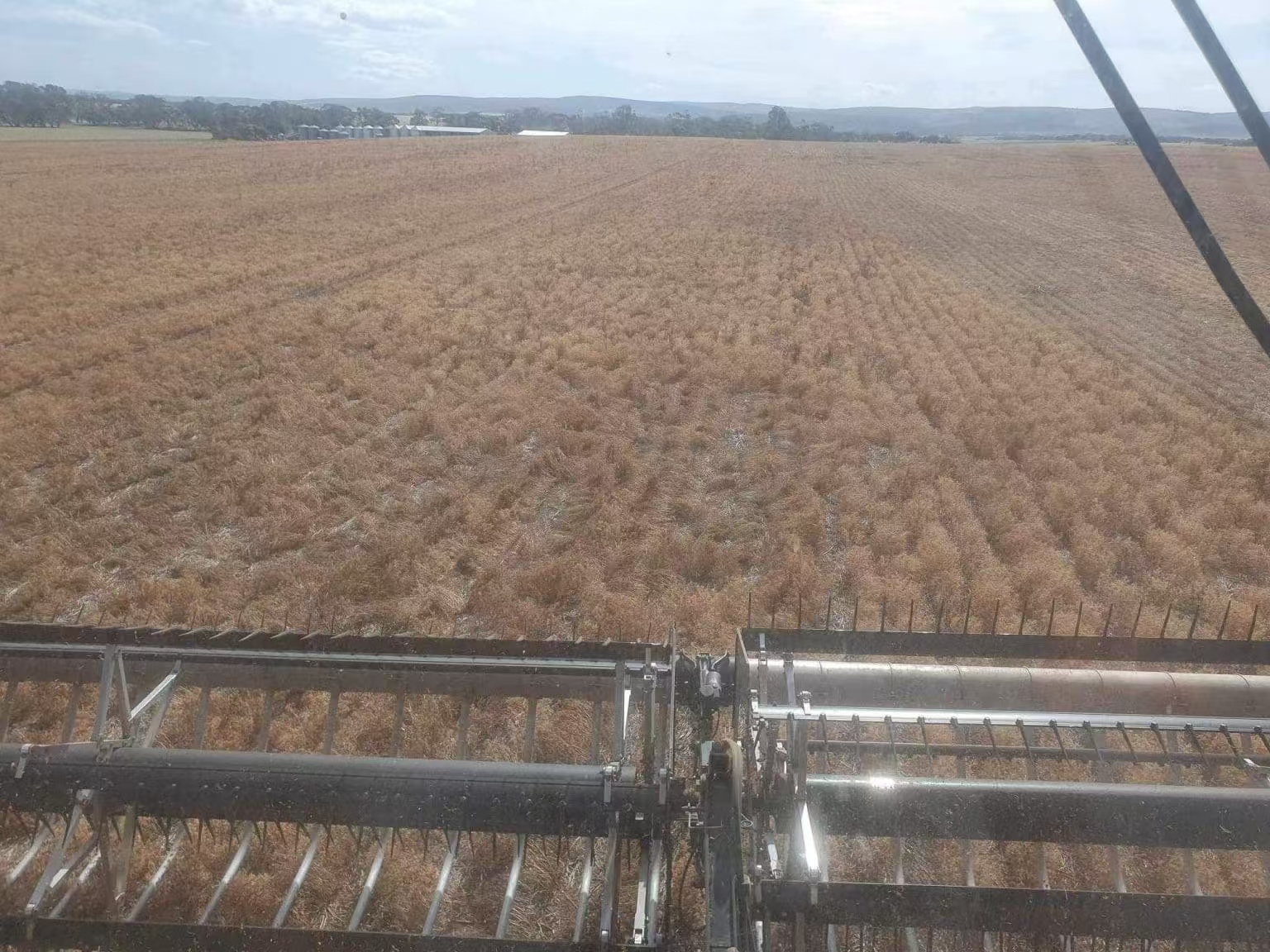
CANADIAN YELLOW PEAS FOR THE 2024 SEASON, FOCUSING ON PLANTED AREA (ACREAGE), PRODUCTION, AND EXPORTS, USING THE MOST RECENT DATA TRENDS AND PROJECTIONS AS A BASIS.
1. Planted Area (Acreage)
Historical Context
- In 2023, Canada's total pea acreage
(including yellow peas) was approximately 3.6 million acres, with yellow peas
accounting for around 75-80% of the total, making them the dominant
variety.
- Saskatchewan and Alberta are the leading
provinces for pea cultivation, contributing over 85% of the total planted area
in Canada.
2024 Projections
- Estimated Planted Area:
For
2024, the total planted area for peas is expected to remain in the range of 3.5
to 3.8 million acres, as farmers balance strong demand for pulses with
competition from other crops like wheat, canola, and lentils.
- Factors Influencing Acreage:
- Positive
Factors:
-
Continued demand from international markets like China and India.
-
Favorable pricing trends in 2023, which provide incentives for farmers.
- Negative
Factors:
-
Competition for arable land from other profitable crops such as durum wheat and
barley.
-
Potential input cost pressures (e.g., fertilizer and fuel prices).
- Regional Breakdown:
- Saskatchewan:
Expected to account for 55-60% of total pea acreage (~2.0–2.2 million acres).
- Alberta:
Around 25-30% (~0.9–1.1 million acres).
- Manitoba
and Other Provinces: The remaining 10-15% (~0.3–0.5
million acres).
2. Production
Historical Context
- In 2023, Canadian pea production was
approximately 3.4 million metric tons, a recovery from the drought-affected
2021 and 2022 seasons.
- Yellow peas typically account for 85-90%
of total pea production, making them the largest segment.
2024 Projections
- Estimated Yield:
Assuming normal weather conditions, average yields are projected to
range between 38 and 42 bushels per acre (or ~2.5 to 2.8 metric tons per
hectare).
-
In 2023, yields averaged around 39 bushels per acre, and similar or slightly
higher yields are expected in 2024 with favorable weather.
- Estimated Production:
Based on planted acreage of 3.5–3.8 million
acres and average yields of 38–42 bushels/acre, total
production of peas in Canada is projected to be 3.2 to 3.8 million metric tons.
-
Yellow peas are expected to contribute 2.8 to 3.4 million metric tons to this
total.
- Factors Influencing Production:
- Weather:
Adequate spring moisture and timely rainfall during the growing season will be
critical.
- Input
Costs: High input costs could limit fertilizer application, potentially
affecting yields.
- Disease
Pressure: Diseases such as root rot and ascochyta blight could reduce yields if
not managed properly.
3. Exports
Historical Context
- Canada is the largest exporter of yellow
peas globally, with exports typically accounting for 80-90% of total
production.
- In 2023, Canadian pea exports totaled
approximately 2.6–2.8 million metric tons, driven
largely by demand from China, India, and smaller markets like Bangladesh and
Pakistan.
2024 Projections
- Estimated Export Volume:
Exports in 2024 are projected to remain strong, ranging between 2.5 and
3.0 million metric tons, depending on production levels and global market
demand.
- Key Markets:
- China:
-
China remains the largest buyer of Canadian yellow peas, importing
approximately 1.2–1.4 million metric tons annually for
use in livestock feed and starch production.
-
Demand from China is expected to remain steady in 2024, especially as pea
protein gains popularity in the food and beverage industries.
- India:
-
India is a significant but volatile market due to its fluctuating import
policies.
-
In recent years, India has imported 300,000–500,000
metric tons of Canadian peas annually when domestic production has fallen
short.
-
Import policies and tariff levels will heavily influence India's purchasing in
2024.
- Other
Markets:
-
Bangladesh, Pakistan, and the EU are expected to collectively import 500,000–700,000 metric tons of Canadian peas.
- Competition:
- Russia:
Russia has increased its pea production and exports in recent years, posing
competition to Canadian yellow peas in key markets like China and South
Asia.
- Australia:
Australia is also expanding its pulse exports, which could pressure Canadian
market share.
Summary Table
Key Risks to Watch
1. Weather Conditions: Prolonged drought or
excessive rainfall could reduce yields and total production.
2. Trade Policies: Import restrictions or
tariffs in key markets like India could limit export volumes.
3. Global Competition: Increased exports
from Russia and Australia could pressure Canadian market share.
4. Input Costs: High fertilizer and fuel
costs could reduce farmers' profit margins and influence planting
decisions.
This data-driven analysis highlights the
potential for steady growth in Canadian yellow pea production and exports in
2024, but external factors like weather, global competition, and trade policies
will play a critical role in shaping the final outcomes.
05
December, 2024
FUTURE DEVELOPMENT AND STRATEGIC PLANNING OF THE GROUP
The Group's future development strategy
focuses on three primary pillars: deepening our expertise in international
logistics and bulk grain and oil trading, expanding our investments in the
machinery manufacturing sector, and continuing our commitment to public welfare
through sports-related philanthropic initiatives. By leveraging these areas of
focus, the Group aims to achieve sustainable growth, mitigate risks, and
contribute to societal development.
Deepening Expertise in International
Logistics and Bulk Grain and Oil Trading
Strengthening International Logistics
Networks
The international logistics sector serves
as one of the Group's core business areas, and we will continue to expand and
optimize our operations in this field. Our strategic goals include:
Expanding Global Reach: Building
partnerships with logistics providers across different regions to improve
supply chain efficiency and ensure timely delivery.
Digital Transformation: Incorporating
cutting-edge technologies such as AI, blockchain, and IoT to enhance
transparency, track shipments in real time, and streamline operations.
Sustainability in Logistics: Adopting
greener practices, including the use of fuel-efficient transportation modes and
reducing carbon emissions across the supply chain.
Bulk Grain and Oil Trading
The global demand for grains and edible
oils continues to grow, presenting significant opportunities for the Group. To
maintain stability and growth in this sector, we will:
Expand Procurement Channels:
Strengthening partnerships with key suppliers and diversifying sourcing regions
to reduce dependency on specific markets.
Risk Management: Implementing robust risk
control systems to mitigate price volatility, geopolitical tensions, and supply
chain disruptions.
Value-Added Services: Offering tailored
solutions, such as storage, blending, and quality assurance, to meet the
diverse needs of our clients.
Sustainability Commitments: Promoting
sustainable sourcing practices and supporting agricultural initiatives that
align with environmental standards.
Increasing Investment in the Machinery
Manufacturing Sector
The machinery manufacturing industry is a
key driver of innovation and economic growth. Recognizing its importance, the
Group is dedicated to increasing its investment in this sector. Our focus areas
include:
Technological Research and Development
Innovation is the cornerstone of success in
machinery manufacturing. To remain competitive, the Group will:
R&D Investment: Allocate substantial
resources to the development of cutting-edge technologies, including
automation, robotics, and precision engineering.
Collaborative Innovation: Partner with
universities, research institutions, and industry leaders to foster innovation
and accelerate product development.
Intellectual Property Protection:
Strengthen mechanisms to safeguard patents, designs, and innovations.
Enhancing Product Stability and Quality
The reliability and durability of machinery
are critical to customer satisfaction. To achieve this, the Group will:
Quality Control Systems: Implement
rigorous testing protocols and ensure compliance with international standards.
Customer Feedback Integration: Actively
incorporate customer insights to refine product design and performance.
After-Sales Support: Strengthen
maintenance and repair services to enhance customer loyalty.
Expanding Market Presence
To maximize the impact of our investments,
the Group will:
Diversify Product Offerings: Develop
machinery for emerging industries such as renewable energy, electric vehicles,
and smart manufacturing.
Global Expansion: Penetrate new markets,
particularly in developing economies with growing industrial demand.
Brand Building: Enhance brand visibility
through targeted marketing campaigns and participation in industry exhibitions.
Continuing Commitment to Sports
Philanthropy
As part of our corporate social
responsibility (CSR) initiatives, the Group will continue to prioritize
sports-related charitable projects. This reflects our belief in the
transformative power of sports to inspire individuals and foster community
development.
Promoting Youth Participation in Sports
Encouraging young people to engage in
sports is central to our philanthropic efforts. Key initiatives include:
Sponsoring Grassroots Programs: Providing
financial support and resources to local sports clubs, schools, and community
organizations.
Talent Development: Establishing training
academies and mentorship programs to nurture the next generation of athletes.
Access to Facilities: Building and
maintaining sports facilities in underserved areas to ensure inclusivity.
Supporting Professional Sports
In addition to grassroots programs, the
Group will:
Sponsor Events: Partner with
organizations to host regional, national, and international sporting events.
Athlete Support: Provide sponsorships and
scholarships to professional athletes, enabling them to focus on their careers.
Cultural Exchange: Promote cross-cultural
understanding through sports diplomacy and international collaborations.
Advocating for Health and Wellness
Sports are a powerful tool for promoting
physical and mental well-being. The Group will:
Community Fitness Programs**: Organize
events such as marathons, fitness challenges, and wellness workshops.
Awareness Campaigns: Raise awareness
about the importance of an active lifestyle and its impact on overall health.
Inclusive Initiatives: Ensure that
programs are accessible to individuals of all ages, genders, and abilities.
Risk Management and Sustainable Growth
As the Group pursues these ambitious goals,
risk management and sustainability will remain central to our strategy.
Specific measures include:
Comprehensive Risk Assessment
Market Analysis**: Regularly monitor market
trends to anticipate changes in demand, pricing, and competition.
Scenario Planning**: Develop contingency
plans to address potential challenges, such as economic downturns or supply
chain disruptions.
Insurance and Hedging**: Utilize financial
instruments to protect against unforeseen losses.
Sustainability as a Core Principle
Environmental Responsibility: Minimize
the environmental impact of our operations by adopting green technologies and
practices.
Social Impact: Ensure that our activities
contribute positively to the communities we serve, creating shared value for
all stakeholders.
Governance and Transparency: Maintain
high standards of corporate governance, ethical business practices, and
transparent reporting.
Conclusion
The Group's future development and planning
reflect a balanced approach to growth, innovation, and social responsibility.
By deepening our expertise in international logistics and bulk grain and oil
trading, investing in the machinery manufacturing sector, and continuing our
commitment to sports philanthropy, we are well-positioned to achieve
sustainable success. Furthermore, our focus on risk management and
sustainability ensures that we remain resilient in the face of challenges and
responsive to the needs of our stakeholders.
This strategic vision represents not only a
roadmap for the Group’s future but also a testament to
our unwavering commitment to creating long-term value for our clients,
partners, employees, and society as a whole.
13
November, 2024
GLOBAL ECONOMY AND AGRICULTURAL INDUSTRY IN 2025: ANALYSIS、PREDICTIONS、OUTLOOK
Introduction
The year 2025 will mark a pivotal point in global economic and agricultural development as the world navigates the aftermath of the COVID-19 pandemic, ongoing geopolitical tensions, and the accelerating impacts of climate change. With digital transformation reshaping industries, governments and businesses are also grappling with the challenges of decarbonization and food security. Emerging technologies, shifting trade patterns, and evolving consumer preferences are likely to redefine the landscape of global agriculture and economic systems.
This report provides an in-depth analysis of the state of the global economy and agricultural sector in 2025, examining key drivers, challenges, and opportunities. By integrating macroeconomic trends with agricultural-specific insights, we aim to offer a forward-looking perspective on how these sectors will evolve and the implications for policymakers, businesses, and consumers.
1. The Global Economy in 2025
1.1 Current State of the Global Economy (2023-2024 Recap)
- Overview of post-pandemic recovery trends.
- Key drivers of growth: technology, energy transition, and infrastructure investments.
- Persistent challenges: inflation, labor market disruptions, and geopolitical conflicts.
1.2 Key Economic Indicators and Forecasts for 2025
- GDP growth predictions for major economies (U.S., China, EU, India, etc.).
- Inflation and interest rate trends amid monetary tightening.
- Global debt levels and fiscal policy strategies.
1.3 Geopolitical Dynamics and Their Economic Impacts
- U.S.-China relations and their influence on global trade and investment.
- Emerging markets in Southeast Asia, Africa, and Latin America: potential growth engines.
- Regional conflicts and energy security concerns (e.g., Ukraine-Russia war).
1.4 The Role of Technology and Digital Transformation
- Artificial intelligence (AI) and automation in driving productivity.
- Rise of digital currencies and blockchain in global trade.
- E-commerce and the changing landscape of consumer behavior.
1.5 Climate Change and the Green Economy
- Progress toward net-zero goals and the economic implications for 2025.
- Renewable energy investments and the global shift away from fossil fuels.
- The cost of inaction: climate change’s impact on GDP and resource availability.
2. The Agricultural Industry in 2025
2.1 Overview of Agriculture in 2023-2024
- Recovery from pandemic-related disruptions in supply chains.
- Rising input costs (fertilizers, energy) and their impact on profitability.
- Shifts in global food demand and supply dynamics.
2.2 Key Trends Shaping Agriculture in 2025
2.2.1 Technological Advancements in Agriculture
- Precision farming, drones, and IoT for enhanced productivity.
- AI-driven crop management and predictive analytics.
- Genetic engineering and the rise of climate-resilient crops.
2.2.2 Sustainable Agriculture and ESG Goals
- Adoption of regenerative farming practices.
- Reduction of greenhouse gas emissions in agriculture.
- Land use optimization and biodiversity conservation.
2.2.3 Alternative Proteins and Food Innovation
- Growing demand for plant-based and lab-grown meat.
- Investment in alternative protein startups and technologies.
- Consumer attitudes toward food sustainability and health.
2.2.4 Digital Supply Chains and Market Access
- Blockchain for traceability and transparency in agriculture.
- E-commerce platforms connecting farmers to global markets.
- Reducing food waste through data-driven logistics.
2.3 Regional Perspectives on Agriculture
- North America**: Agtech leadership and climate adaptation challenges.
- Europe**: EU’s Green Deal and sustainable farming initiatives.
- Asia-Pacific**: Feeding a growing population with limited arable land.
- Africa**: Unlocking agricultural potential to drive economic growth.
- Latin America**: Balancing export opportunities and environmental pressures.
2.4 Challenges Facing the Agricultural Sector**
- Climate change: Droughts, floods, and shifting growing seasons.
- Rising costs of inputs and energy.
- Trade barriers and geopolitical risks affecting food exports.
---
3. Interconnections Between the Global Economy and Agriculture
3.1 Food Security and Economic Stability
- The role of agriculture in ensuring global food security.
- How economic crises exacerbate hunger and malnutrition.
- Policy measures to build resilient food systems.
3.2 Trade Relations and Agricultural Markets
- Impact of trade agreements and tariffs on agricultural exports.
- Currency fluctuations and their effect on farm incomes.
- Diversification of markets to reduce dependency on specific regions.
3.3 Investment in Agriculture as an Economic Growth Driver
- Public and private sector investments in agtech and infrastructure.
- Financing sustainable agriculture through green bonds and ESG funds.
- The multiplier effect of agricultural development on rural economies.
4. Predictions and Outlook for 2025
4.1 Global Economic Forecast
- Moderate but uneven growth across regions.
- Continued innovation in technology and renewable energy.
- Risks from geopolitical instability and climate events.
4.2 Agricultural Industry Forecast
- Increased adoption of technology and sustainable practices.
- Growing demand for climate-resilient crops and alternative proteins.
- Regional disparities in food production and access.
4.3 Long-Term Implications for Policymakers and Businesses
- Balancing economic growth with environmental sustainability goals.
- Strengthening global cooperation to address food security challenges.
- Leveraging technology to build resilient economies and industries.
5. Conclusion
The global economy and agricultural industry in 2025 will face a complex mix of challenges and opportunities. While technological advancements and sustainability initiatives offer pathways for growth, geopolitical tensions and climate change pose significant risks. Policymakers, businesses, and consumers must work together to build resilient systems capable of withstanding economic shocks and ensuring food security for a growing global population.